
-
×
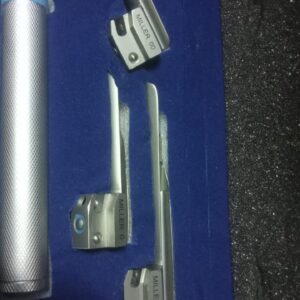 Laryngoscope 3 blades
1 × KSh 6,500.00
Laryngoscope 3 blades
1 × KSh 6,500.00
Subtotal: KSh 6,500.00
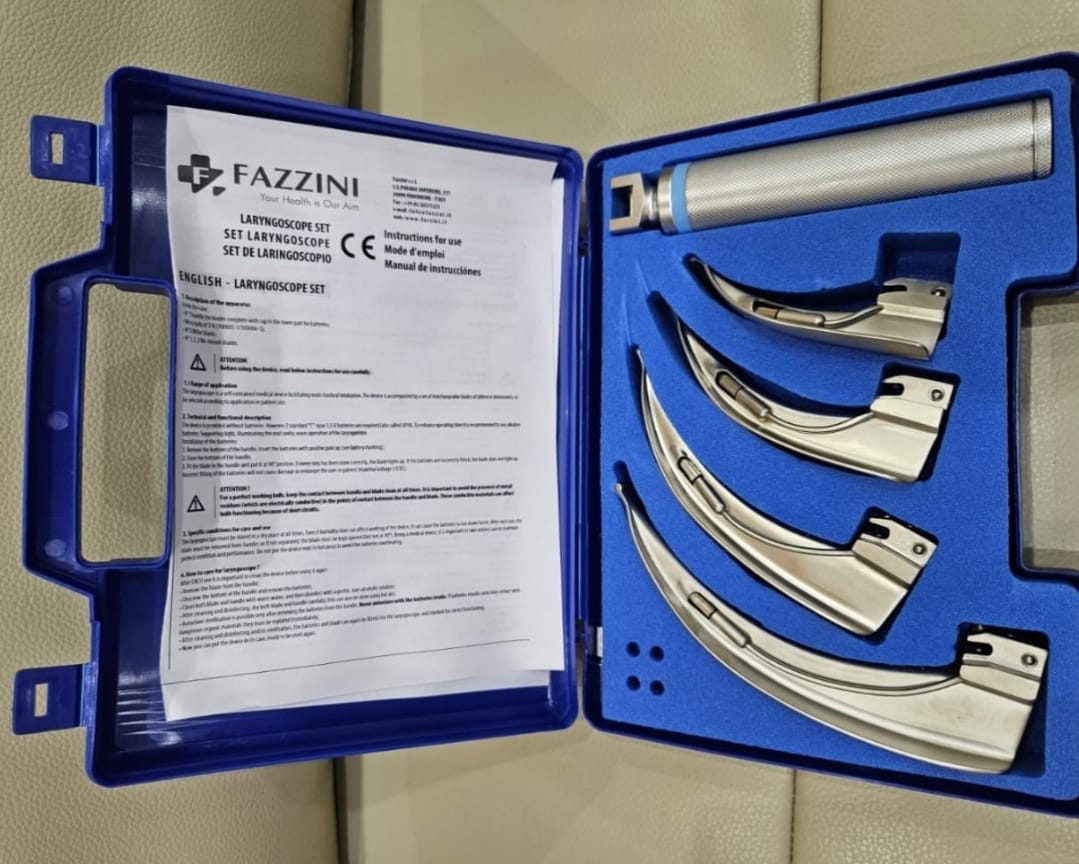
A laryngoscope is a thin, tube-like instrument with a light and lens that doctors use to examine the larynx, or voice box. Laryngoscopes can be used for a variety of purposes, including:
A laryngoscope can help diagnose conditions that affect the throat and voice box, such as bad breath, throat pain, hoarseness, or difficulty swallowing.
A laryngoscope can be used to collect tissue samples from the vocal cords or throat to check for cancer or other abnormalities.
A laryngoscope can be used to treat some voice box problems, such as removing small growths or using a laser to burn away abnormal areas.
A laryngoscope can be used to visualize the larynx during resuscitation to facilitate endotracheal intubation. This is important for patients who can’t secure their own airway, such as those who are undergoing surgery or have an altered mental status.
A laryngoscope can be used to remove objects that are blocking the airway, such as a swallowed coin or marble.
KSh 7,000.00 KSh 7,500.00
| Blade Type | Illumination | Reusable/Disposable | Typical Price* | Best For |
|---|---|---|---|---|
| Curved (Mac) | LED/OPT/Fiber | Both | $8–$25 disposable; ~$13–$65 reusable | Routine adult intubation |
| Straight (Miller) | LED/OPT/Fiber | Both | ~$14–$33 reusable; similar disposable | Direct epiglottis lift, certain anatomies |
| Video Curved (Mac) | Video+LED | Disposable | ~$19–$25 ea, box pricing available | Higher visualization, first‑pass success |
laryngoscope is a thin, tube-like instrument with a light and lens that doctors use to examine the larynx, or voice box. Laryngoscopes can be used for a variety of purposes, including:
A laryngoscope can help diagnose conditions that affect the throat and voice box, such as bad breath, throat pain, hoarseness, or difficulty swallowing.
A laryngoscope can be used to collect tissue samples from the vocal cords or throat to check for cancer or other abnormalities.
A laryngoscope can be used to treat some voice box problems, such as removing small growths or using a laser to burn away abnormal areas.
A laryngoscope can be used to visualize the larynx during resuscitation to facilitate endotracheal intubation. This is important for patients who can’t secure their own airway, such as those who are undergoing surgery or have an altered mental status.
A laryngoscope can be used to remove objects that are blocking the airway, such as a swallowed coin or marble.
Medstock Supplies
 Mama Ngina Street, Transnational Plaza, 2nd Floor, Nairobi
 Call/WhatsApp: 0722641512
Follow us on Facebook: https://www.facebook.com/medstockltd
FOR MORE ORDERS GET THEM AT https://medstock.co.ke/product-category/clinical-equipments/
A Medical Trolley is a multi-purpose wheeled cart used in hospitals, clinics, and other healthcare settings to transport medical supplies, instruments, medications, and equipment safely and efficiently. It is an essential item for organized, mobile medical care at the bedside or within operating and emergency rooms.
 Mama Ngina Street, Transnational Plaza, 2nd Floor, Nairobi
 Call/WhatsApp: 0722641512
FOR MORE ORDERS GET THEM AT https://medstock.co.ke/product-category/clinical-equipments/
AVALABLE AT MEDSTOCK SUPPLIES
A Closed Cuff refers to a design feature commonly found on medical gowns, lab coats, and coveralls where the sleeve ends with a knitted or elasticated cuff that fits snugly around the wrist. This design improves barrier protection and comfort, especially in sterile or high-risk environments.
Mama Ngina Street, Transnational Plaza, 2nd Floor, Nairobi Call/WhatsApp: 0722641512
Open Cuf
An Open Cuff refers to a loose sleeve end commonly found on lab coats, visitor gowns, and basic protective clothing. Unlike closed cuffs, open cuffs do not have elastic or knitted closures at the wrist. They are easier to put on and remove, offering basic protection in low-risk medical or laboratory settings.
🩺 Product Description
- Material: Same as the garment — typically cotton, polyester blend, or non-woven fabric
- Design: Straight, loose-fitting sleeve opening
- Fit: Non-restrictive, allowing air circulation and freedom of movement
- Fastening: No elastic or knit; hangs freely at the wrist
✅ Key Features
- Ease of Use: Easy to wear and remove, especially in non-sterile environments
- Comfortable Fit: Loose design allows better ventilation
- Low Cost: Typically more affordable than closed cuff designs
- One-Size-Fits-Most: Generally adaptable to a range of users
Limitations
- Lower Protection: May expose wrists during procedures
- Not Ideal for Sterile Settings: Lacks a secure seal with gloves
- Higher Risk of Contamination: Gaps between glove and sleeve possible
Mama Ngina Street, Transnational Plaza, 2nd Floor, Nairobi Call/WhatsApp: 0722641512A Single Crank Hospital Bed with Mattress (Locally Made) is a durable, adjustable medical bed designed for patient comfort and basic clinical care. The single crank system allows caregivers to adjust the backrest incline, enabling patients to sit up or lie flat. This type of bed is cost-effective, commonly used in general wards, private clinics, and home care settings.
Mama Ngina Street, Transnational Plaza, 2nd Floor, Nairobi Call/WhatsApp: 0722641512
As Medstock Supplies we do delivery country wide within 24 hours with discounted prices


