An electrocardiogram
-
Electrocardiogram (ECG or EKG)
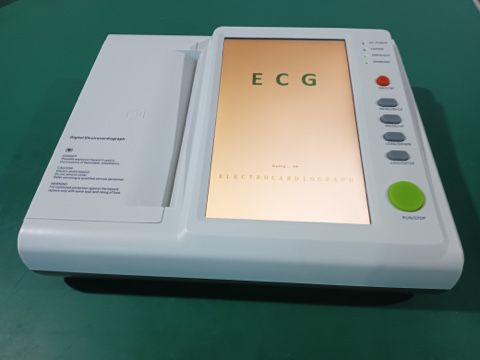
An Electrocardiogram (ECG) is a non-invasive diagnostic test that records the electrical activity of the heart over a period of time using electrodes placed on the body. It is a vital tool used to detect heart abnormalities, monitor cardiac health, and guide treatment decisions.
An ECG:
- Detects and records electrical signals generated by the heart muscle during each heartbeat
- Produces a graph (tracing) of voltage versus time, displaying heart rhythm and electrical conduction
- Helps identify arrhythmias, heart attacks, heart enlargement, electrolyte imbalances, and more
📊 How It Works
- Electrodes (typically 10) are placed on the chest, arms, and legs
- These detect electrical impulses from the heart
- The impulses are transmitted to an ECG machine that plots waveforms such as:
- P wave (atrial depolarization)
- QRS complex (ventricular depolarization)
- T wave (ventricular repolarization)
- Medstock Supplies
 Mama Ngina Street, Transnational Plaza, 2nd Floor, Nairobi
 Call/WhatsApp: 0722641512
Follow us on Facebook: https://www.facebook.com/medstockltdFOR MORE ORDERS GET THEM AT https://medstock.co.ke/product-category/clinical-equipments/
- AVAILABLE IN MEDSTOCK SUPPLIES
KSh 165,000.00 KSh 170,000.00
Electrocardiogram (ECG or EKG)
An Electrocardiogram (ECG) is a non-invasive diagnostic test that records the electrical activity of the heart over a period of time using electrodes placed on the body. It is a vital tool used to detect heart abnormalities, monitor cardiac health, and guide treatment decisions.
An ECG:
- Detects and records electrical signals generated by the heart muscle during each heartbeat
- Produces a graph (tracing) of voltage versus time, displaying heart rhythm and electrical conduction
- Helps identify arrhythmias, heart attacks, heart enlargement, electrolyte imbalances, and more
📊 How It Works
- Electrodes (typically 10) are placed on the chest, arms, and legs
- These detect electrical impulses from the heart
- The impulses are transmitted to an ECG machine that plots waveforms such as:
- P wave (atrial depolarization)
- QRS complex (ventricular depolarization)
- T wave (ventricular repolarization)
📋 Types of ECG Tests
| Type | Description |
|---|---|
| Resting ECG | Performed while lying still; standard 12-lead ECG |
| Stress ECG | Monitors heart activity during exercise (e.g., treadmill) |
| Holter Monitor | Portable ECG worn for 24–48 hours |
| Event Monitor | Portable ECG activated during symptoms over days/weeks |
🏥 Uses of ECG in Medicine
- Diagnose arrhythmias (irregular heart rhythms)
- Detect heart attacks (myocardial infarctions)
- Monitor effects of cardiac medications
- Screen for heart enlargement or damage
- Evaluate symptoms like chest pain, shortness of breath, or fainting
- Pre-operative assessments or routine health checkups
🧪 Advantages
- Fast and painless
- Non-invasive
- Provides real-time information on heart function
⚠️ Limitations
- A normal ECG does not always rule out heart problems
- May require follow-up tests (e.g., echocardiogram, stress test)
- Medstock Supplies
Mama Ngina Street, Transnational Plaza, 2nd Floor, Nairobi
Call/WhatsApp: 0722641512
Follow us on Facebook: https://www.facebook.com/medstockltdFOR MORE ORDERS GET THEM AT https://medstock.co.ke/product-category/clinical-equipments/AVAILABLE IN MEDSTOCK SUPPLIES
Related products
-
Uncategorized, Blood Pressure Monitors, Clinical Equipments, Dental Equipment
Medical cap(Blue/White)
 Uncategorized, Blood Pressure Monitors, Clinical Equipments, Dental Equipment
Medical cap(Blue/White)
Medical caps, also known as surgical head caps or bouffant caps, have multiple uses in a medical setting, including
-
- Protecting the patient and medical staff: Medical caps protect both the patient and medical staff from the transfer of microorganisms, body fluids, and particulate material.
- Keeping the surgical area clean: Medical caps contain the wearer’s hair to keep the surgical area clean.
Preventing contamination: Medical caps are worn to prevent hair and scalp from contaminating sterile environments and reducing the risk of surgical site infections (SSIs) for patients
- Medical caps are typically made of non-woven fabric and secured around the head with an elastic grip. They are designed to be comfortable and can be breathable and flexible. Some medical caps are reusable and can be laundered after each use.
- Medstock Supplies
Mama Ngina Street, Transnational Plaza, 2nd Floor, Nairobi
Call/WhatsApp: 0722641512
Follow us on Facebook: https://www.facebook.com/medstockltdFOR MORE ORDERS GET THEM AT https://medstock.co.ke/product-category/clinical-equipments/
DELIVED BY MEDSTOCK SUPPLIES SAME DAY
- Protecting the patient and medical staff: Medical caps protect both the patient and medical staff from the transfer of microorganisms, body fluids, and particulate material.
SKU: n/a -
-
Uncategorized
Electric wheelchair
-
Electric Wheelchair –
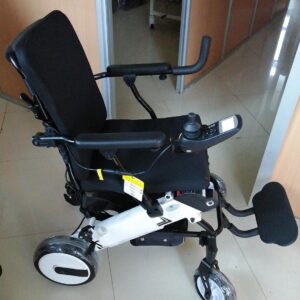
An Electric Wheelchair (also known as a power wheelchair) is a motorized mobility device designed to help individuals with limited or no ability to walk. Unlike manual wheelchairs, electric wheelchairs are powered by rechargeable batteries and electric motors, offering greater independence, especially for long distances or rough terrains.
⚙️ Key Features
- Battery-Powered Motor: Provides propulsion, eliminating the need for manual pushing.
- Joystick Controller: Allows intuitive control for direction and speed using one hand.
- Adjustable Seat: Offers comfort with reclining, height, and leg-rest adjustments.
- Compact & Foldable Options: Some models are collapsible for easy transport and storage.
- Terrain Capability: Options available for indoor use, outdoor terrain, or both.
- Safety Features: Includes anti-tip wheels, seatbelts, and electromagnetic brakes.
Available Options in Kenya
- Medstock Supplies
Mama Ngina Street, Transnational Plaza, 2nd Floor, Nairobi
Call/WhatsApp: 0722641512
Follow us on Facebook: https://www.facebook.com/medstockltdFOR MORE ORDERS GET THEM AT https://medstock.co.ke/product-category/clinical-equipments/
- Medstock Supplies
AS MEDSTOCK SUPPLIES WE HAVE VARIOUS ELECTRIC WHEELCHAIRS AND WE DELIVER IT COUNTRY WIDE WITH DICOUNTED PRICES WITH 24 HOURS
SKU: n/a -
-
Uncategorized
Automatic biopsy needle
Automatic Biopsy Needle
An Automatic Biopsy Needle is a specialized medical device used to obtain tissue samples from internal organs or masses for histological or cytological analysis. It features a spring-loaded, automated mechanism that ensures quick, accurate, and minimally invasive sampling, commonly used in core needle biopsies.
🩺 Product Description
- Design:
- Compact, lightweight, ergonomic pen-like device
- Spring-loaded firing mechanism for rapid tissue capture
- Integrated stylet (inner needle) and cannula (outer needle)
- Ultrasound/MRI-compatible markings on the cannula
- Material:
- Medical-grade stainless steel needle
- Plastic polymer body with firing mechanism
- Sterile and often single-use (disposable)
- Medstock Supplies
Mama Ngina Street, Transnational Plaza, 2nd Floor, Nairobi
Call/WhatsApp: 0722641512
Follow us on Facebook: https://www.facebook.com/medstockltdFOR MORE ORDERS GET THEM AT https://medstock.co.ke/product-category/clinical-equipments/
SKU: n/a - Design:
-
Uncategorized
Standard wheelchair
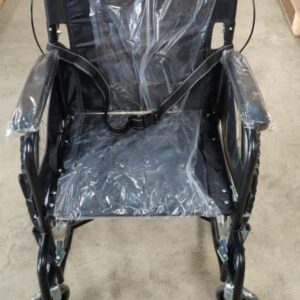
Here are some uses of standard wheelchairs:-
Mobility
Standard wheelchairs allow people to move around, participate in daily activities, and live independently.
-
Quality of life
Wheelchairs can improve the quality of life for people with disabilities by helping them reduce pressure sores, deformities, and improve respiration and digestion.
-
Access to services
Wheelchairs allow people to access services such as healthcare, study, work, and engage in social activities.
Standard wheelchairs are often simple in design and have limited adjustability. They are also sturdy and can be difficult to move.Medstock Supplies
 Mama Ngina Street, Transnational Plaza, 2nd Floor, Nairobi
 Call/WhatsApp: 0722641512
Follow us on Facebook: https://www.facebook.com/medstockltdFOR MORE ORDERS GET THEM AT https://medstock.co.ke/product-category/clinical-equipments/SKU: n/a -