
-
×
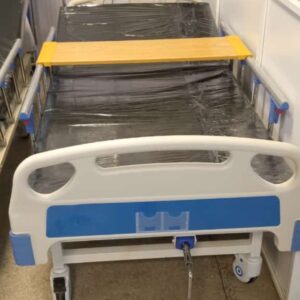 Single Crank Hospital Bed ABS Type
1 × KSh 19,800.00
Single Crank Hospital Bed ABS Type
1 × KSh 19,800.00
Subtotal: KSh 19,800.00

Biohazard bags (also called biohazard garbage bags or infectious waste bags) are specialized disposal bags used in healthcare and laboratory environments to safely contain and dispose of infectious or potentially infectious materials. They help prevent the spread of disease and ensure compliance with medical waste regulations.
 Mama Ngina Street, Transnational Plaza, 2nd Floor, Nairobi
 Call/WhatsApp: 0722641512
KSh 25.00 KSh 30.00
Biohazard bags are specialized disposal bags used in healthcare and laboratory environments to safely contain and dispose of infectious or potentially infectious materials. They help prevent the spread of disease and ensure compliance with medical waste regulations.
| Feature | Description |
|---|---|
| Material | High-density or low-density polyethylene (HDPE/LDPE); puncture- and tear-resistant |
| Color-coded | Most commonly red, yellow, or black depending on national waste segregation guidelines |
| Biohazard symbol | Clearly marked with the international biohazard symbol and labeling like “Infectious Waste” or “Biohazard” |
| Size | Available in multiple sizes (e.g., 10L, 30L, 50L, 100L) |
| Closure | May include drawstring, twist tie, or adhesive strip |
| Autoclavable (optional) | Some are designed to be sterilized before disposal |
| Color | Waste Type |
|---|---|
| Red | Infectious waste (e.g., blood-soaked gauze, IV tubing, gloves) |
| Yellow | Clinical waste requiring incineration (e.g., human tissues, body parts) |
| Black | General non-infectious waste |
| Blue | Pharmaceutical waste |
| White/Translucent | Sharps waste (usually used with rigid containers) |
| Size | Common Use |
|---|---|
| 10–20 L | Small waste bins, patient rooms |
| 30–50 L | Ward bins, examination rooms |
| 100–120 L | Operating rooms, high-volume areas |
Mama Ngina Street, Transnational Plaza, 2nd Floor, Nairobi Call/WhatsApp: 0722641512(Manual Resuscitator Bags)
Ambu Bags, also known as manual resuscitators or Bag Valve Masks (BVMs), are essential emergency respiratory devices used to provide positive pressure ventilation to patients who are not breathing or not breathing adequately. Available in infant, paediatric, and adult sizes to ensure proper fit and tidal volume delivery.
 Mama Ngina Street, Transnational Plaza, 2nd Floor, Nairobi
 Call/WhatsApp: 0722641512
A Laparoscopy Set is a specialized surgical instrument kit used during minimally invasive surgeries (MIS) performed through small incisions, typically in the abdomen or pelvis. These procedures are commonly done for diagnostic, gynecological, gastrointestinal, and urological interventions.
This set enables surgeons to insert a laparoscope (camera) and specialized instruments for internal visualization, dissection, biopsy, cauterization, and suturing—without open surgery.
Mama Ngina Street, Transnational Plaza, 2nd Floor, Nairobi Call/WhatsApp: 0722641512Shoe Covers are disposable protective covers worn over footwear to prevent contamination and maintain sterile or clean environments. A pack of 100 pieces typically contains 50 pairs, suitable for hospital wards, operating theatres, labs, cleanrooms, and visitor areas.
Mama Ngina Street, Transnational Plaza, 2nd Floor, Nairobi Call/WhatsApp: 0722641512
Adjustable Drip Stand – Stainless Steel
Designed for durability and ease of use in clinical environments, our Adjustable Drip Stand is a reliable solution for intravenous therapy support. Crafted from high-quality stainless steel, this stand offers strength, stability, and resistance to corrosion—ideal for hospitals, clinics, and home care settings. To experience the best service and products order from Medstock supplies ltd and get them delivered to you at your convenience.
Visit us:
Medstock Supplies, Mama Ngina Street, Transnational Plaza, 2nd Floor, Nairobi
📞 Call/WhatsApp: 0722641512 Mirriam.
Follow us on Facebook at https://www.facebook.com/medstockltd
Kindly check our website for more https://medstock.co.ke/product-category/medical-equipments/